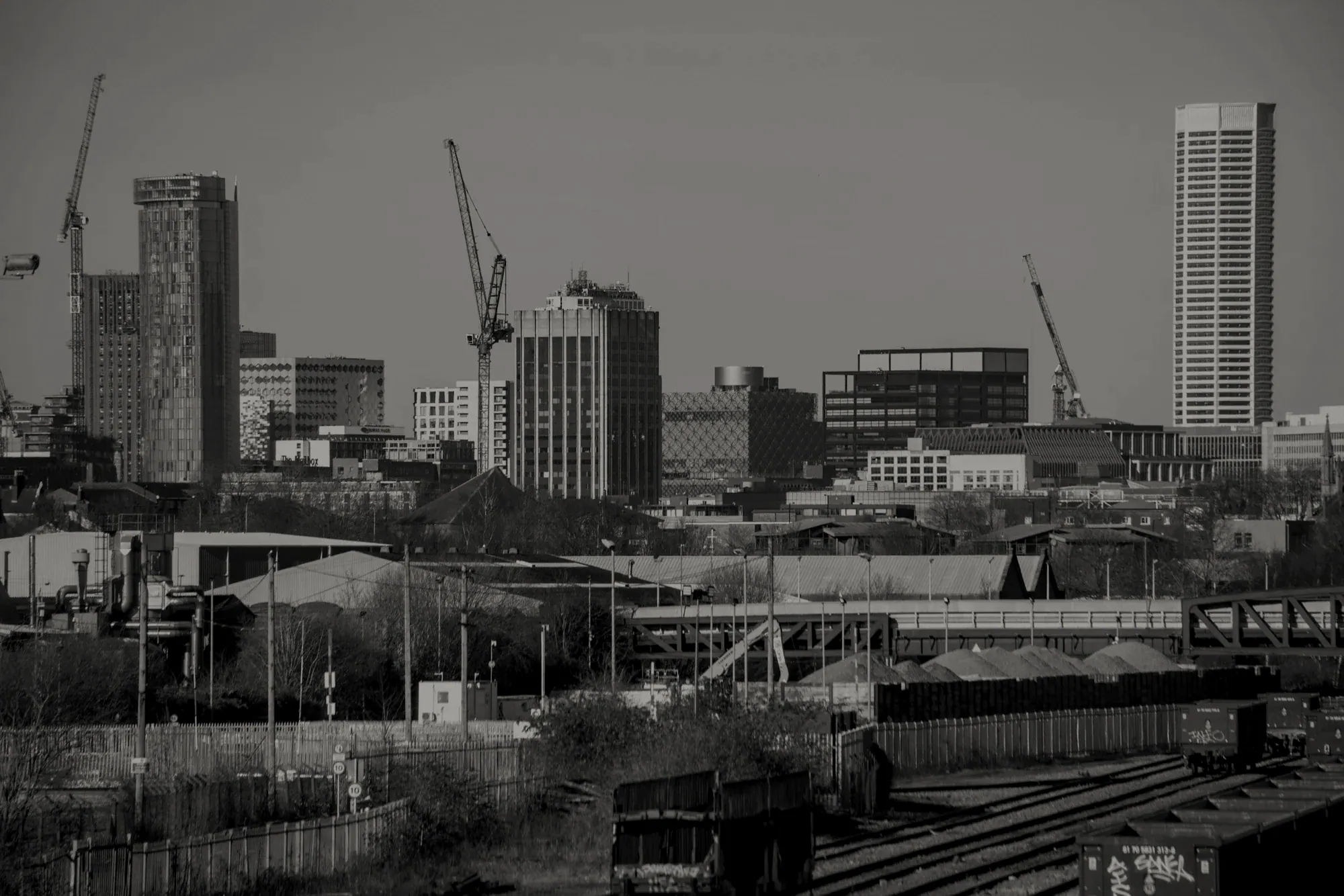
Birmingham city centre and the wider city
Birmingham is building new residential towers while the Jewellery Quarter and Digbeth hold a large stock of Victorian industrial buildings. We write the fire strategies for both.
- Reply
- Same-day reply
- Fee
- Fixed, agreed before we start
- Signed off by
- A Chartered Engineer (CEng)
- Coverage
- In-house engineering, UK wide
- Scroll
Overview
Fire strategy for Birmingham buildings
The Birmingham city centre skyline is a mix of established towers and new residential schemes. Regeneration has focused on areas such as Digbeth and Eastside, while the Jewellery Quarter holds a large stock of Victorian workshops and factories.
A new tower and a Jewellery Quarter workshop pose opposite problems. The tower has to satisfy the gateway process for higher-risk buildings. The workshop has to be made safe for a new use without losing the fabric that gives the area its protection. Both start with a strategy that says plainly how the building will work in a fire.
Birmingham City Council adopted the Birmingham Development Plan to 2031 on 10th January 2017. Its new Local Plan to 2044 provides for 87,700 homes and went out for consultation from 13th August to 24th September 2026, with submission expected in late 2026. The city has 29 conservation areas. In Victoria Square the Town Hall is listed Grade I and the Council House Grade II*. Queen Elizabeth Hospital Birmingham opened in Edgbaston in June 2010 and is a Level 1 Trauma Centre.
Who decides
Who approves a fire strategy in Birmingham
- Planning
- Birmingham City Council (official source, opens in a new tab)
- Decides planning applications in the city. Where a scheme includes a relevant building the Building Safety Regulator reviews its fire statement at Gateway 1.
- Building control
- The council or a registered building control approver (official source, opens in a new tab)
- For a higher-risk building the Building Safety Regulator takes over as the building control body.
- Fire and rescue
- West Midlands Fire Service (official source, opens in a new tab)
- Building control asks the service about buildings that will be covered by the Fire Safety Order once occupied.
Local issues
What a Birmingham fire strategy has to deal with.
New residential towers
New towers in the centre mostly meet the higher-risk building test. That puts their strategies in front of the Building Safety Regulator at planning and again before construction starts.
Victorian workshops and factories
The Jewellery Quarter is a conservation area with more than 200 listed buildings. Digbeth has industrial buildings being converted to flats, offices and creative space. Their structure and layout set the limits of what a strategy can do.
Universities and hospital campuses
The city has two large universities and major hospital sites. They bring complex buildings with sleeping, teaching and clinical uses under one roof.
Shopping centres and large venues
High occupancy buildings need exit capacity, compartment sizes and smoke control that work for people who do not know the building.
Building types
The building types we see in Birmingham
- Fire Strategy for High-Rise Residential Buildings
Residential towers and the higher-risk building gateways
- Fire Strategy for Heritage Buildings and Conversions
Industrial and historic buildings given a new use
- Fire Strategy for Student Accommodation
Student blocks near the city centre and the universities
- Fire Strategy for Retail and Leisure Buildings
Shopping centres and large leisure venues
What we deliver
Fire strategy services in Birmingham.
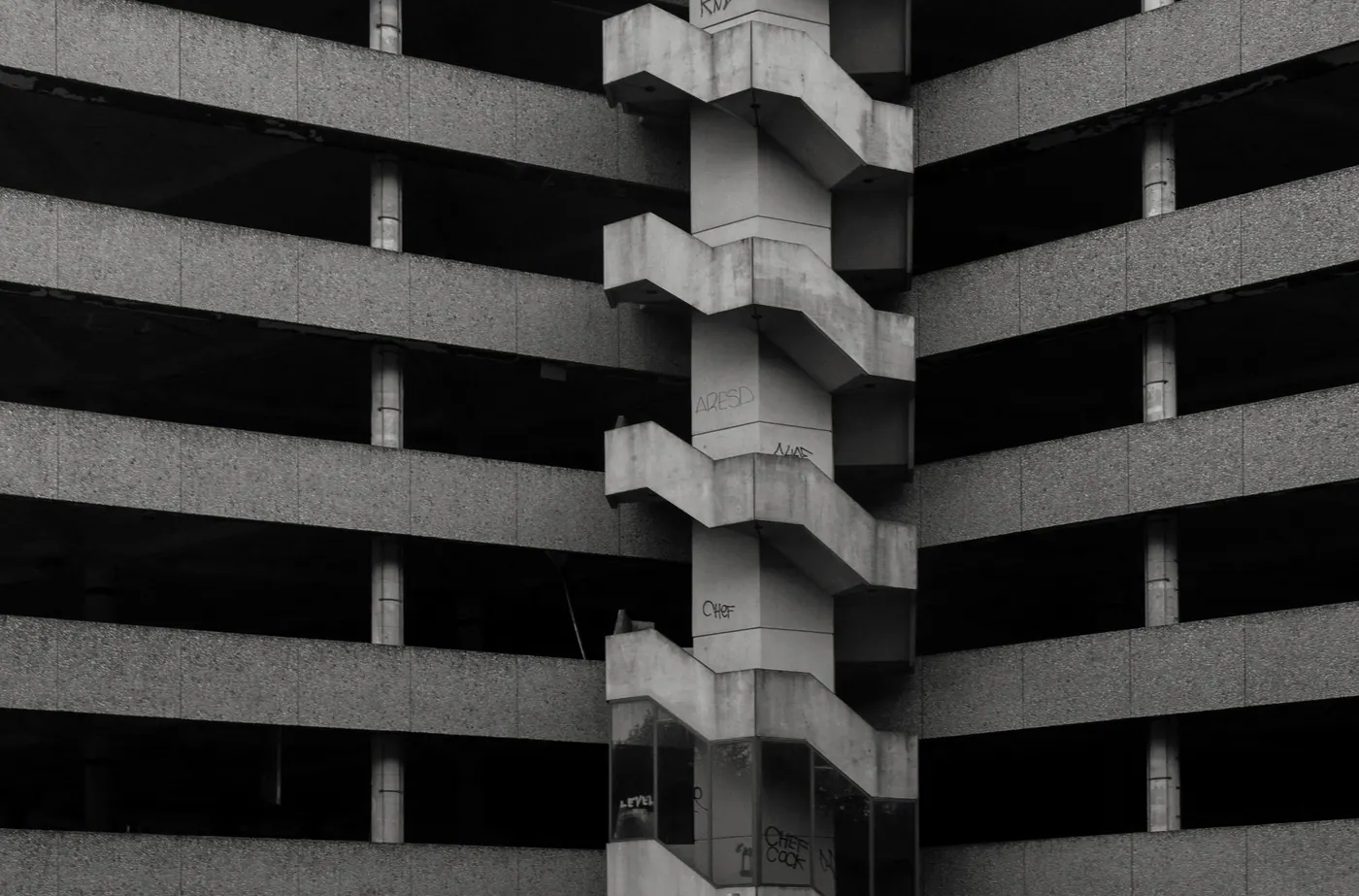
Fire Strategy Reports
New build, refurbishment and change of use, UK wide
Read more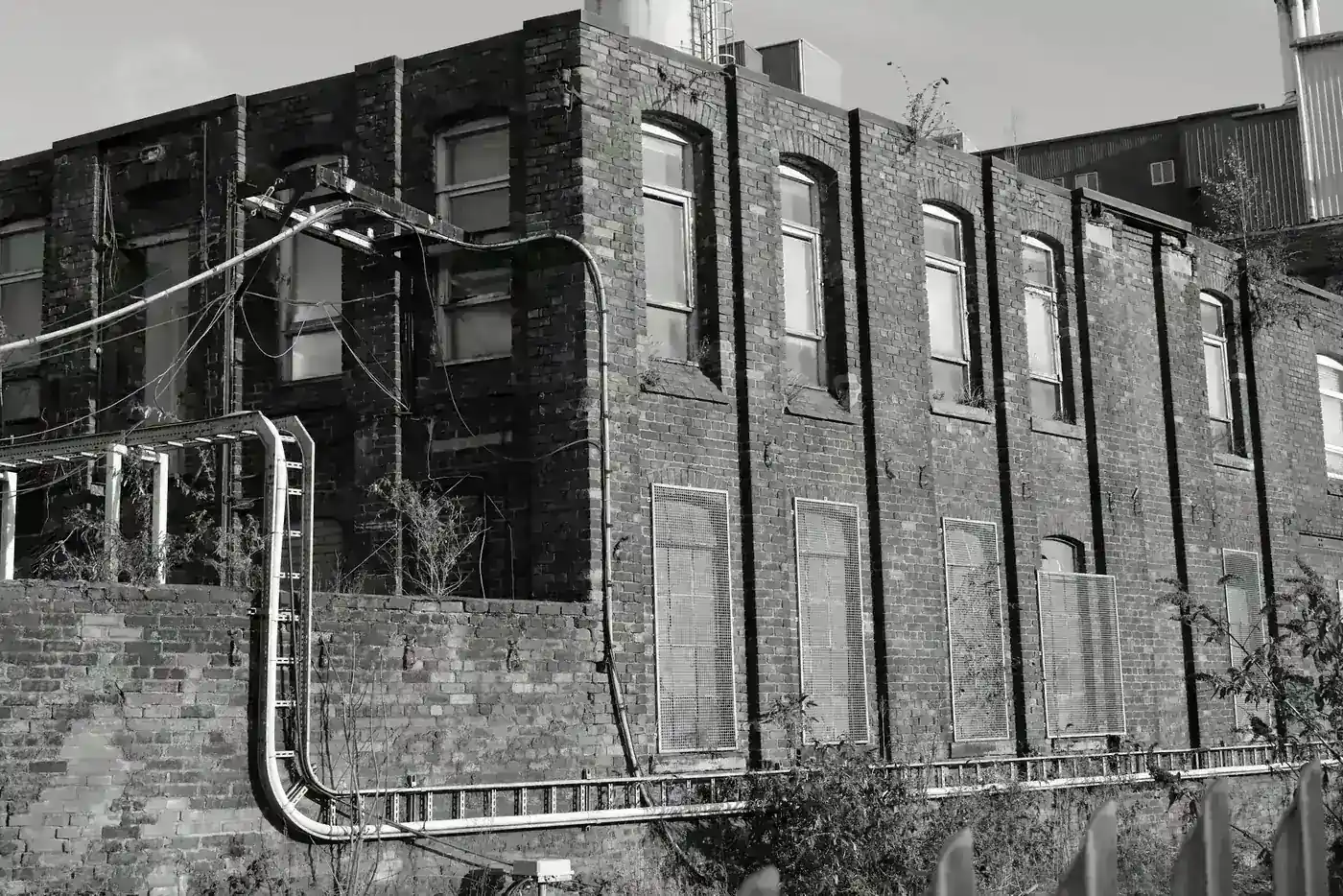
Retrospective Fire Strategy
Existing buildings, Building Safety Act 2022, UK wide
Read more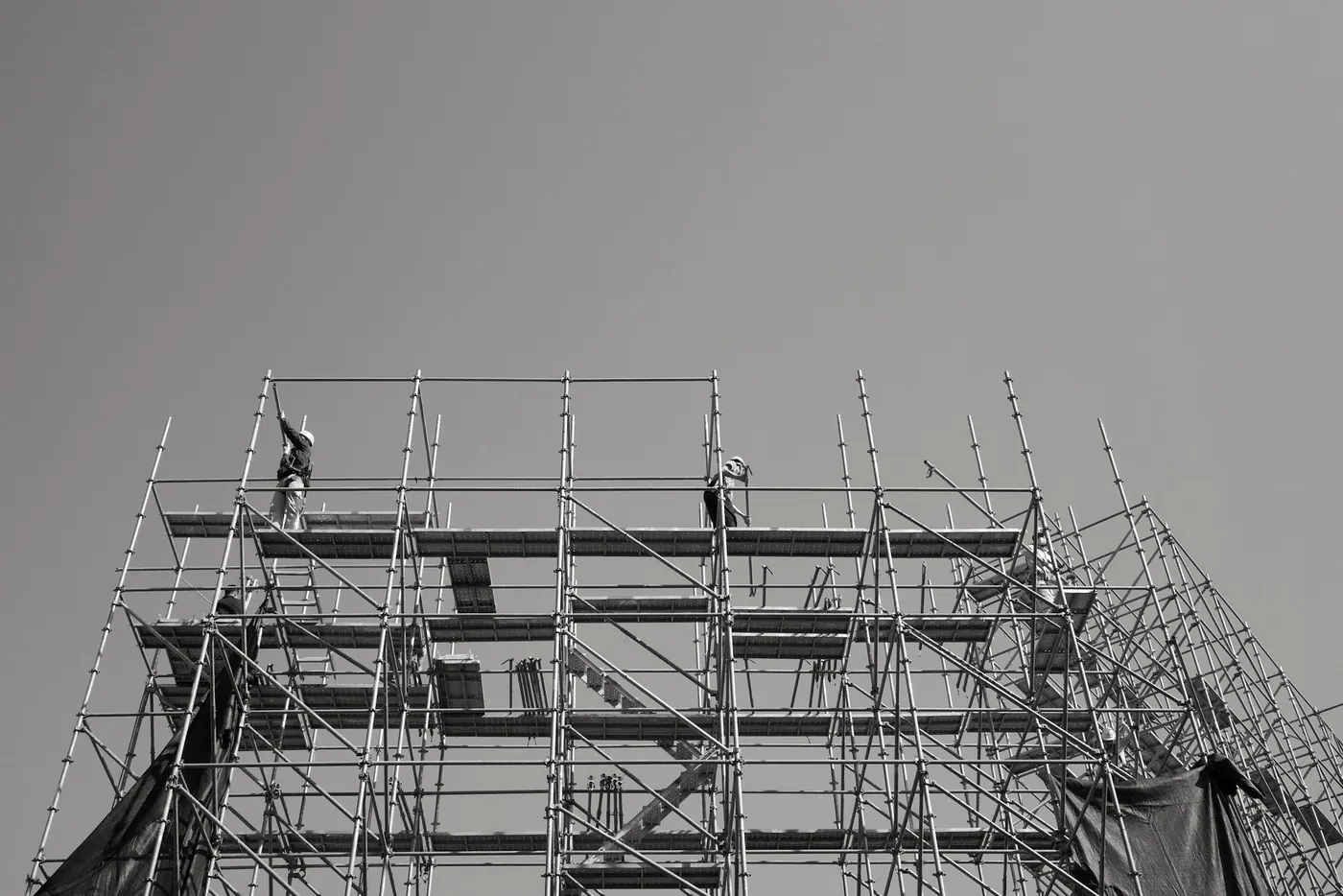
Gateway 2 and Gateway 3 Support
Higher-risk buildings, BSR submissions, UK wide
Read more
Fire Engineering
Performance based design, in-house, UK wide
Read moreCommon questions
Fire strategy questions in Birmingham, answered.
Cannot see your question? Get in touch and we will answer it directly.
All fire strategy questionsBirmingham City Council is the planning authority. Building control is either the council or a registered building control approver. A higher-risk building goes to the Building Safety Regulator instead. Building control consults West Midlands Fire Service where the Fire Safety Order will apply to the finished building.
Guides
Guides worth reading first.
Other locations
All locationsFire strategy in Birmingham
Tell us about the building
Send us the drawings, the building type and the stage you are at. We reply the same day with a clear scope, programme and fixed fee.
- 01Written in-house by the engineer who will defend it to the approver
- 02Approved Document B, BS 9999, BS 9991 and BS 7974
- 03Building Control and fire authority engagement handled for you
- 04Projects of every size, across the UK
Request a quote
Same-day reply