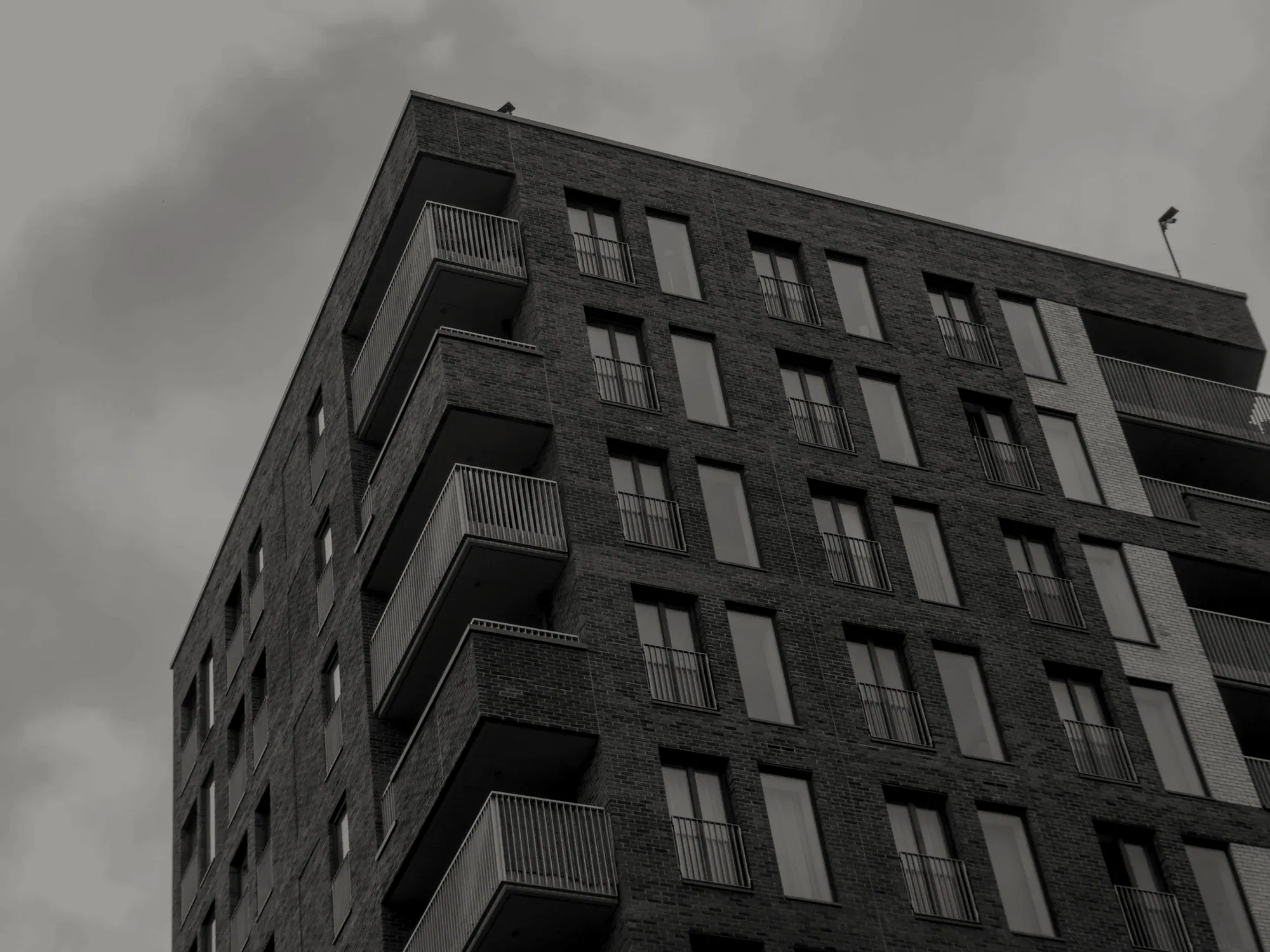
Dukinfield town centre, Globe Lane and Bow Street
Dukinfield has two listed mills and new employment space proposed in the draft local plan. One of the mills is now shared by many occupiers. We write fire strategies for multi-occupied mills, for industrial buildings and for its listed chapels.
- Reply
- Same-day reply
- Fee
- Fixed, agreed before we start
- Signed off by
- A Chartered Engineer (CEng)
- Coverage
- In-house engineering, UK wide
- Scroll
Overview
Fire strategy for Dukinfield buildings
Dukinfield Town Hall opened on 15th June 1901 at a cost of £15,000 and was listed Grade II in 2012. The Old Chapel, built in 1840 and 1841, is listed Grade II*.
The draft Tameside local plan proposes employment space at Bow Street, Gate Street and Globe Lane and about 100 homes. A new Dukinfield or Dewsnap station has been proposed.
Who decides
Who approves a fire strategy in Dukinfield
- Planning
- Tameside Metropolitan Borough Council (official source, opens in a new tab)
- Decides planning applications in Dukinfield.
- Building control
- The council or a registered building control approver (official source, opens in a new tab)
- A higher-risk building is approved by the Building Safety Regulator instead.
- Fire and rescue
- Greater Manchester Fire and Rescue Service (official source, opens in a new tab)
- There is no station in Dukinfield. The service has four stations in Tameside.
- Town page
- Dukinfield (official source, opens in a new tab)
- The council's page for the town and its town hall.
Local issues
What a Dukinfield fire strategy has to deal with.
A mill in many hands
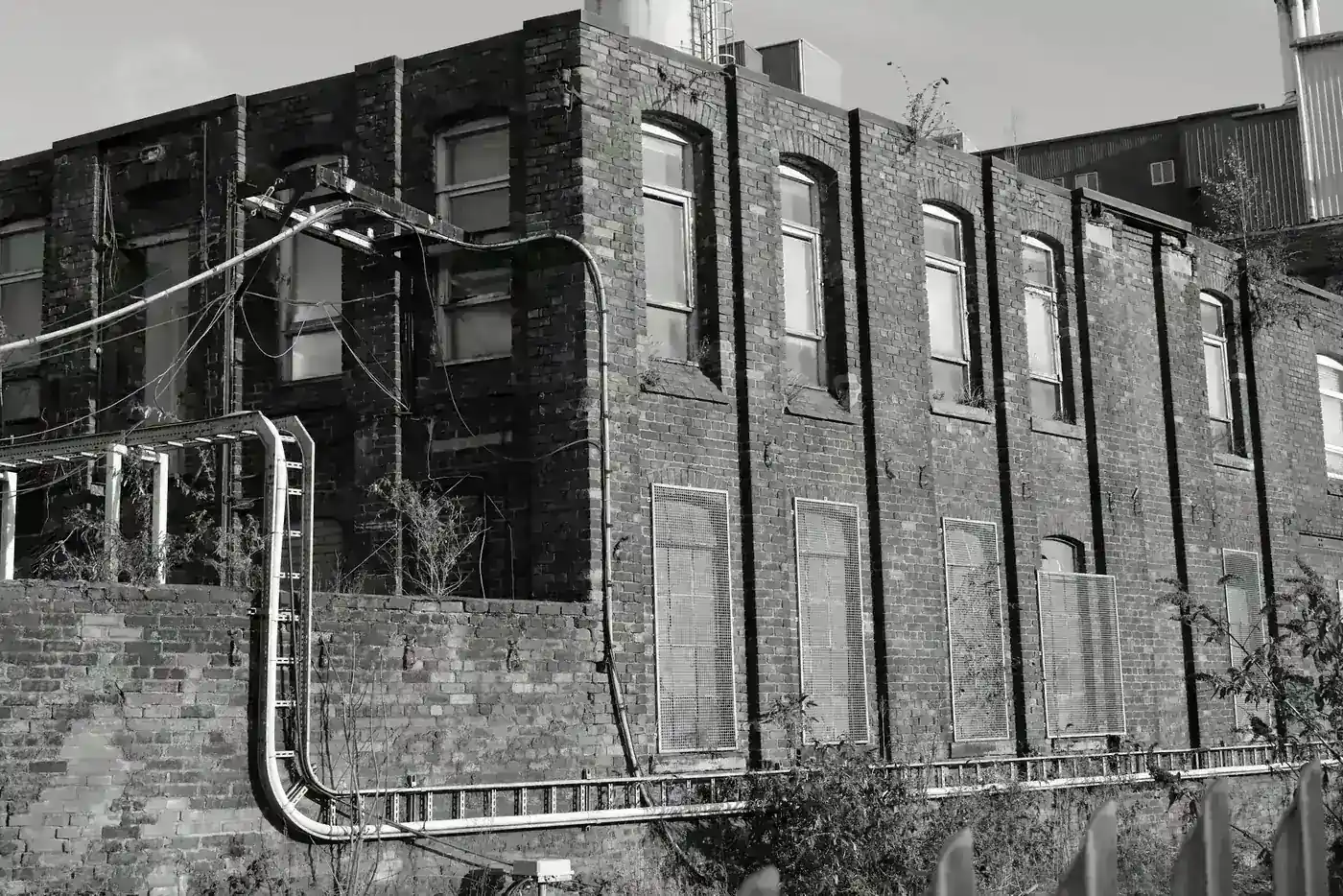
Tower Mill of about 1890 is listed Grade II and is now in multiple occupation. Each tenant's fit out has to keep the building's shared escape routes and compartments intact.
An early mill
St Helens Mill is listed Grade II and its earliest part dates from 1819. Early mills need careful assessment before a strategy relies on their floors for fire resistance.
Employment sites
Bow Street alone is proposed for 12,895 square metres of employment space. Industrial buildings at that scale need compartment and access planning.
Chapels and arson
The council records that Old Hall Chapel, listed Grade II*, was set alight by arsonists in 1978. Historic buildings left empty or unwatched need protection from deliberate fires.
Building types
The building types we see in Dukinfield
- Fire Strategy for Heritage Buildings and Conversions
Tower Mill, St Helens Mill and the chapels
- Fire Strategy for Warehouses and Industrial Units
Employment sites at Bow Street, Gate Street and Globe Lane
- Fire Strategy for Offices and Commercial Buildings
Small businesses in multi-occupied mills
What we deliver
Fire strategy services in Dukinfield.
Retrospective Fire Strategy
Existing buildings, Building Safety Act 2022, UK wide
Read more
Fire Strategy Reports
New build, refurbishment and change of use, UK wide
Read more
Fire Strategy Review and Peer Review
Independent second opinion, UK wide
Read more
Fire Engineering
Performance based design, in-house, UK wide
Read moreCommon questions
Fire strategy questions in Dukinfield, answered.
Cannot see your question? Get in touch and we will answer it directly.
All fire strategy questionsDukinfield is one of the nine Tameside towns. Planning applications there go to Tameside Council.
Guides
Guides worth reading first.
More in Tameside
All locationsFire strategy in Dukinfield
Tell us about the building
Send us the drawings, the building type and the stage you are at. We reply the same day with a clear scope, programme and fixed fee.
- 01Written in-house by the engineer who will defend it to the approver
- 02Approved Document B, BS 9999, BS 9991 and BS 7974
- 03Building Control and fire authority engagement handled for you
- 04Projects of every size, across the UK
Request a quote
Same-day reply