Sectors
The guidance is written around typical buildings. Most real ones are not typical. Here is how we approach each sector and where the engineering tends to start.
 High-rise01High-riseHigher-risk buildings under the Building Safety Act 2022Read more
 Offices02OfficesNew build, fit out and refurbishmentRead more
 Heritage and conversion03Heritage and conversionListed buildings, mills, churches and adaptive reuseRead more
 Healthcare04HealthcareHospitals, clinics and primary careRead more
 Industrial and warehouses05Industrial and warehousesDistribution, manufacturing and storageRead more
 Student accommodation06Student accommodationPurpose built and convertedRead more
Residential and mixed use
Residential and Apartments
Residential buildings carry the most sleeping risk and the most scrutiny. We produce fire strategies for new and existing blocks of flats that settle the evacuation strategy, the compartmentation and the protected routes clearly enough for residents, managers and regulators to rely on.
High-Rise Residential Buildings
Buildings of 18 metres or seven storeys with two or more residential units sit inside the Building Safety Act regime. The fire strategy is tested at every gateway and then becomes the foundation of the safety case. We produce strategies written to survive that scrutiny.
Houses in Multiple Occupation
An HMO is a house being asked to behave like a block of flats. The fire strategy has to reconcile domestic construction with shared escape routes, sleeping occupants who may not know each other and licensing conditions that vary by council.
Mixed Use Development
Mixed use schemes put a sleeping risk above a commercial one, often sharing a core, a basement and a fire alarm. The strategy has to make BS 9991 and BS 9999 coexist in one building and keep every use safe from the others.
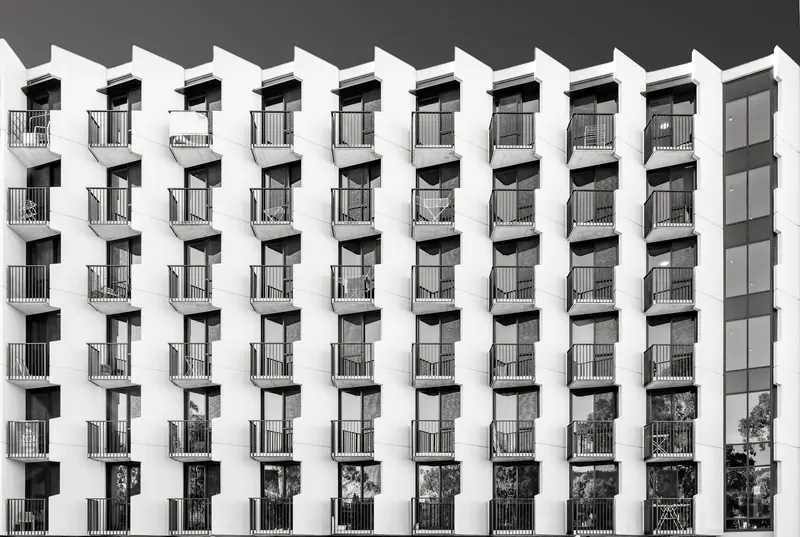
Student Accommodation
Student accommodation combines high occupancy, sleeping risk, cluster flat layouts and a population that changes every year. The strategy has to work for the building and for a management team briefing new residents every September.
Care Homes and Retirement Living
In a care home the occupants cannot be relied on to evacuate themselves. The strategy is built around progressive horizontal evacuation, sub compartmentation and the staffing the design assumes will be there at three in the morning.
Commercial and industrial
Commercial and Offices
Office buildings want open plan floors, generous atria and flexible tenancies. The fire strategy makes that possible by setting the risk profile, the travel distances and the compartmentation the building can live with through decades of fit outs.
Retail and Leisure
Retail and leisure buildings hold large numbers of people who do not know the building. The strategy has to deliver exit capacity, manageable compartment sizes and smoke control for spaces designed to be open.
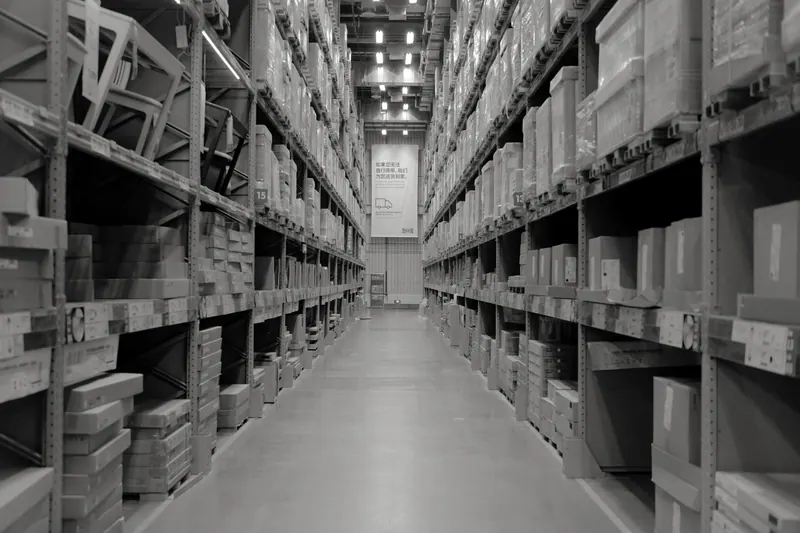
Industrial and Warehouses
Warehouses and industrial buildings are big, high and full of fire load. The fire strategy balances the Building Regulations, the insurer's requirements and the operator's need for an uninterrupted floorplate.
Specialist
Hotels and Hospitality
Hotels mix sleeping guests who do not know the building with kitchens, bars and function rooms. The strategy has to protect bedrooms as compartments, deliver simultaneous evacuation and keep the public areas workable.
Healthcare and Hospitals
Healthcare buildings hold patients who may be immobile, sedated or dependent on equipment. The strategy is built on progressive horizontal evacuation, sub compartmentation and staff response and has to work alongside the operational needs of a hospital.
Schools and Education
Schools fill up at nine and empty at half past three. The strategy has to move large numbers of children quickly, protect the building from the arson risk schools face and meet the Department for Education's expectations as well as the Building Regulations.
Heritage and Conversion
Heritage buildings were never designed to the guidance and often cannot be altered to meet it. The strategy has to achieve the same level of safety through engineering and management, in a way the conservation officer and the approver can both accept.
Car Parks and Basements
Enclosed car parks and deep basements are where the guidance runs out fastest. Smoke ventilation, firefighting access and the arrival of electric vehicles all demand engineered thinking rather than a standard answer.
Data Centres and Energy Storage
A data centre is a building whose owner cares as much about the servers as the people. The strategy has to deliver life safety to the Building Regulations and sit alongside the business continuity, suppression and insurer requirements the operator brings.
Transport and Infrastructure
Transport buildings move crowds through large connected spaces that no prescriptive code describes. The strategy is built on evacuation modelling, smoke control and the operator's own standards as much as the Building Regulations.
Your building type is not listed?
Send us the drawings and we will tell you what the project needs the same day.
Start your fire strategy
Tell us about the building
Send us the drawings, the building type and the stage you are at. We reply the same day with a clear scope, programme and fixed fee.
- 01Written in-house by the engineer who will defend it to the approver
- 02Approved Document B, BS 9999, BS 9991 and BS 7974
- 03Building Control and fire authority engagement handled for you
- 04Projects of every size, across the UK
Request a quote
Same-day reply